Creating a more energy-efficient home doesn’t mean giving up comfort or style. In fact, today’s upgrades can make your home feel more refined while helping you save money over time. If you’ve been wondering how to make your home more energy efficient, the good news is that small changes and smart investments can make a big difference.
Whether you’re building, renovating, or just making a few updates, these energy-efficient home tips will help you reduce energy use at home while keeping everything feeling elevated and intentional.
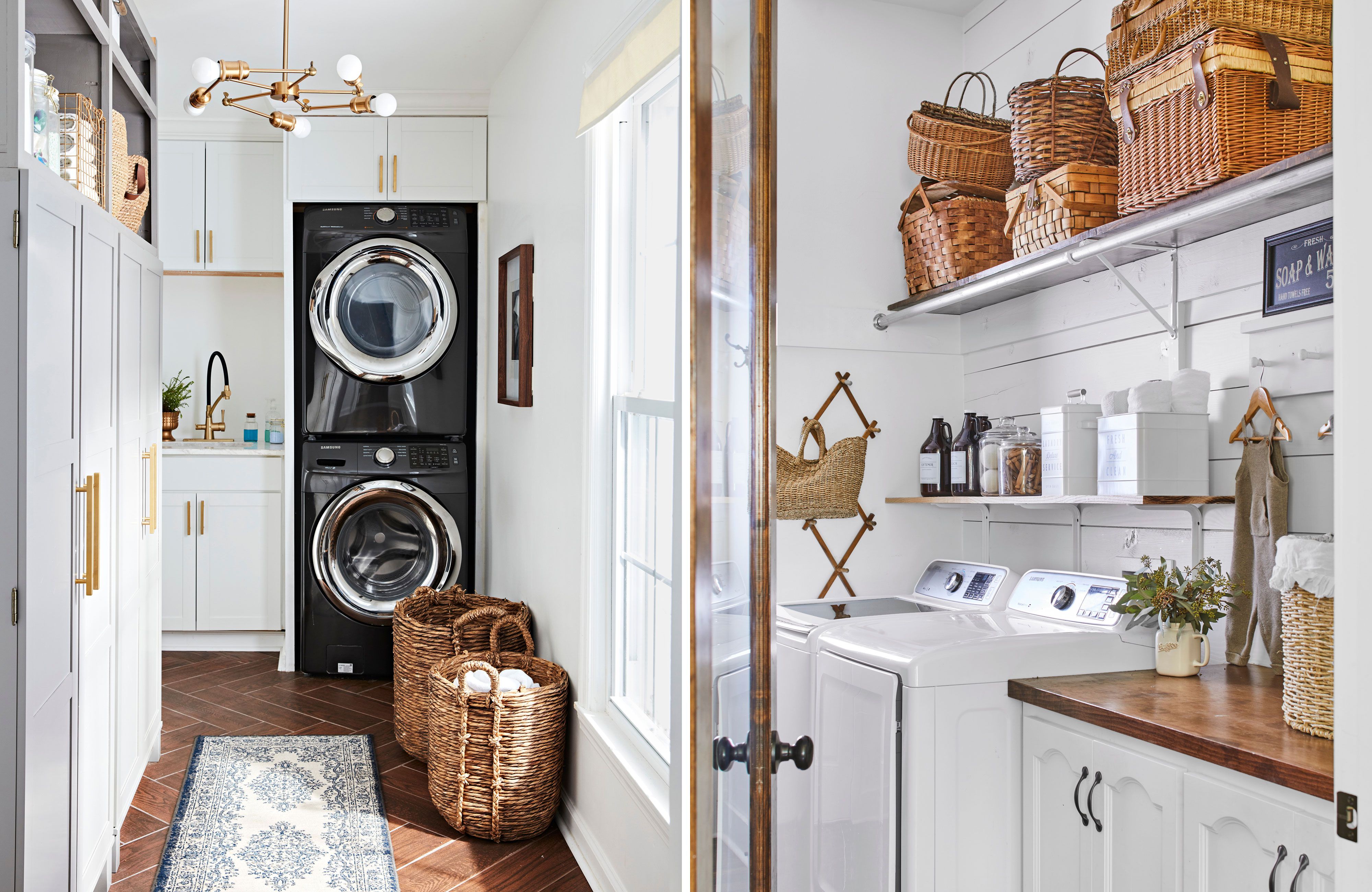
Upgrading to high-performance appliances is one of the easiest ways to reduce energy use at home. Modern, energy-efficient models are designed to use less power without sacrificing performance. Look for appliances with the ENERGY STAR® label, including refrigerators, dishwashers, washers, and dryers. These appliances are built to run efficiently while still delivering strong results. Many of them also feature sleek, modern designs that fit beautifully into eco-friendly homes with a more upscale feel.
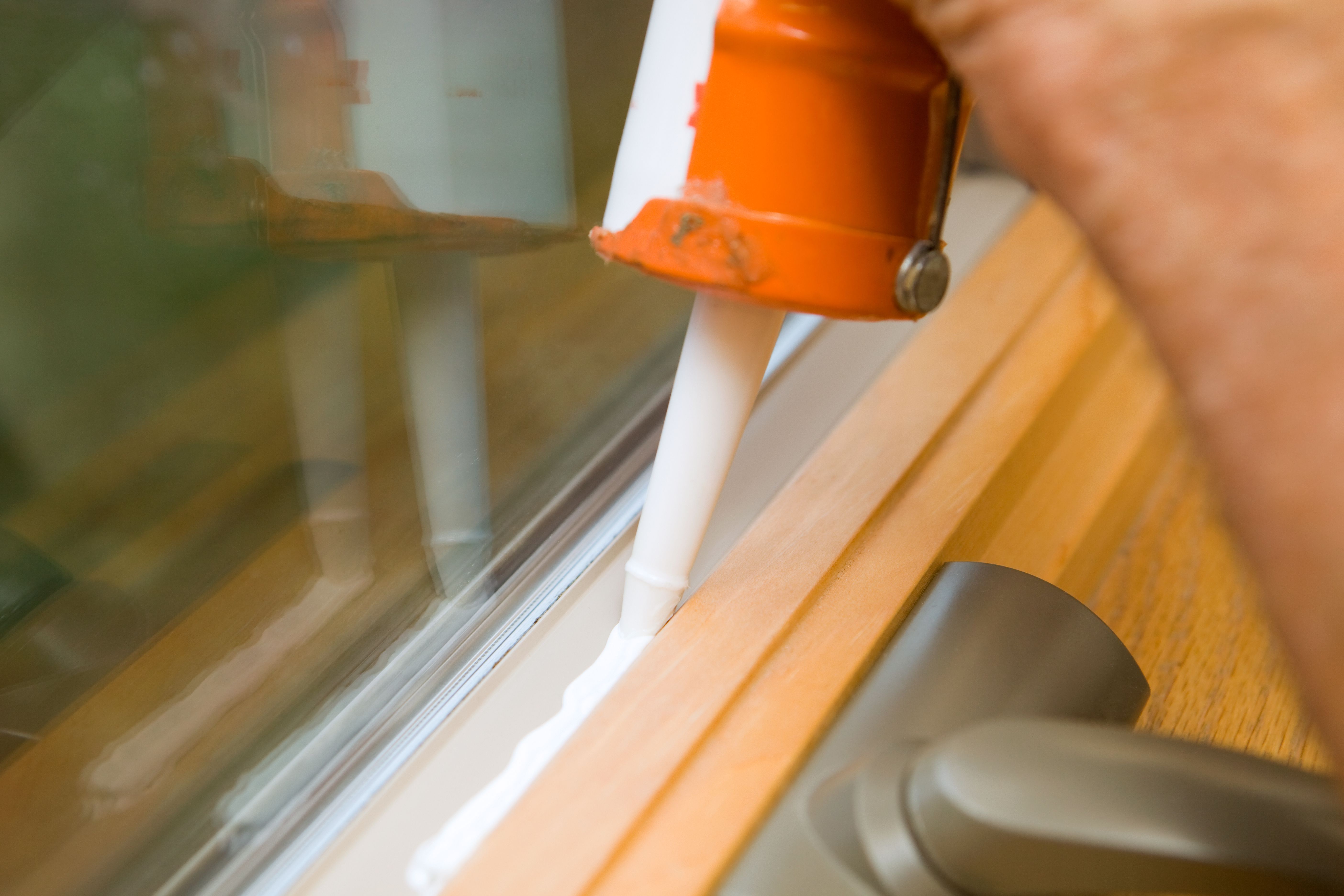
Sealing and insulating your home is another important step. A well-sealed home keeps warm air in during winter and hot air out during summer, which means your heating and cooling systems don’t have to work as hard. Simple fixes like sealing gaps around windows and doors, adding weather stripping, and improving attic insulation can make a noticeable difference. These updates are often overlooked, but they can lead to long-term cost savings while improving comfort year-round.
Using smart technology can also help you manage energy more effectively. Smart thermostats and energy monitoring systems give you more control over how your home uses energy. You can adjust temperatures remotely, set schedules based on your routine, and reduce energy waste when you’re not home. Some systems even learn your habits and adjust automatically. This makes it one of the easiest ways to save energy at home without adding more to your daily to-do list.
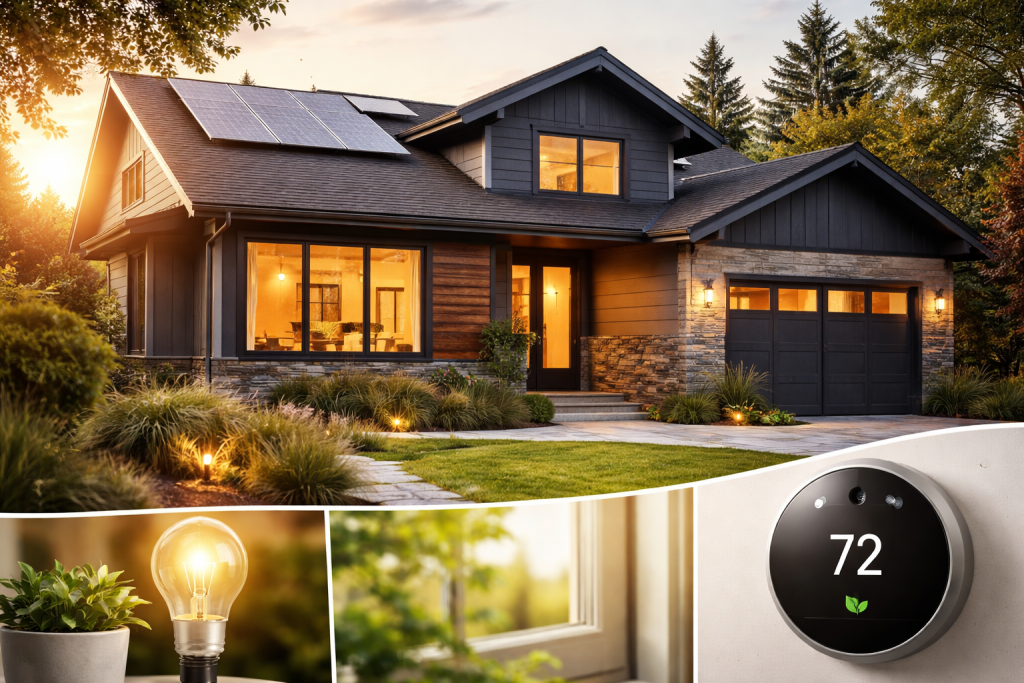
Lighting is another area where small changes can have a big impact. Switching to LED lighting reduces energy consumption and lasts much longer than traditional bulbs. To keep your home feeling high-end, choose warm-toned LEDs for a softer look, use dimmers to control ambiance, and select fixtures that blend function with design. This simple upgrade can elevate your space while supporting your goal of a more energy-efficient home.
Windows also play a major role in energy efficiency. If your windows are older, upgrading to double or triple-pane options can help maintain indoor temperatures more effectively. You can also use thermal curtains, add window films, and take advantage of natural light during the day. These changes reduce the need for artificial lighting and heating, helping create energy-efficient homes in Corrales that feel bright and open.
For homeowners looking to take things further, renewable energy options like solar panels can significantly reduce long-term energy costs. While the upfront investment may be higher, many homeowners see savings over time. Solar energy can also increase property value and appeal to buyers seeking eco-friendly homes.
Energy efficiency is not just about lowering your monthly bills. It’s about creating a home that works smarter for you. Over time, these upgrades can lower utility costs, increase home value, improve comfort and air quality, and reduce your environmental impact. If you’re exploring energy-efficient homes in Corrales, these improvements can also make your property more attractive in a competitive market.
How can homeowners reduce energy costs? Start with simple upgrades like LED lighting, sealing air leaks, and using a smart thermostat. These small changes can lead to noticeable savings over time.
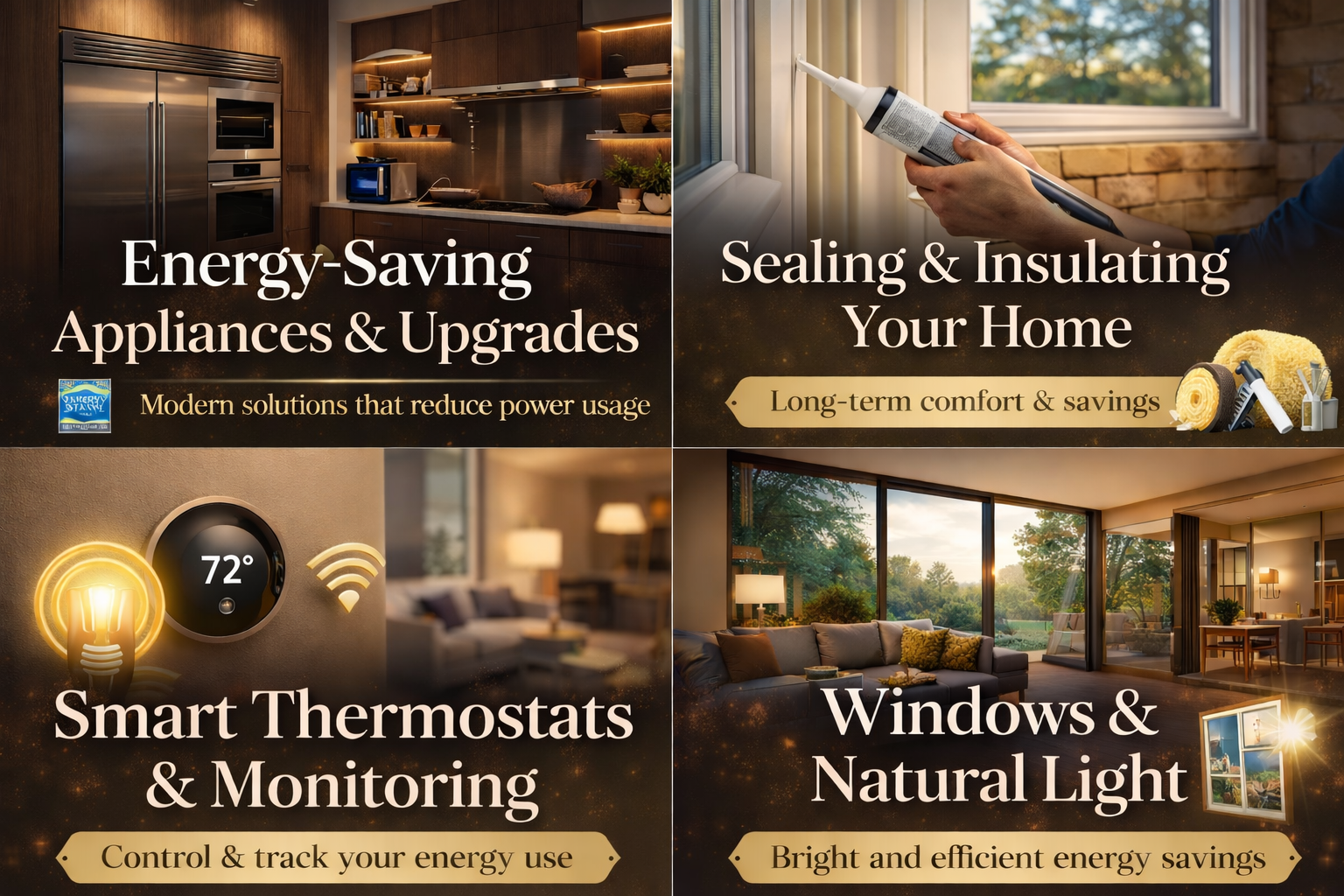
What upgrades improve energy efficiency? High-impact upgrades include energy-efficient appliances, improved insulation, updated windows, and solar energy systems.
Explore practical home improvement tips on Corrales Connect. Interested in energy-efficient homes in your area? Connect with Tara Diaz to learn more.
Reference links:
https://www.energystar.gov
https://www.energy.gov/energysaver
